
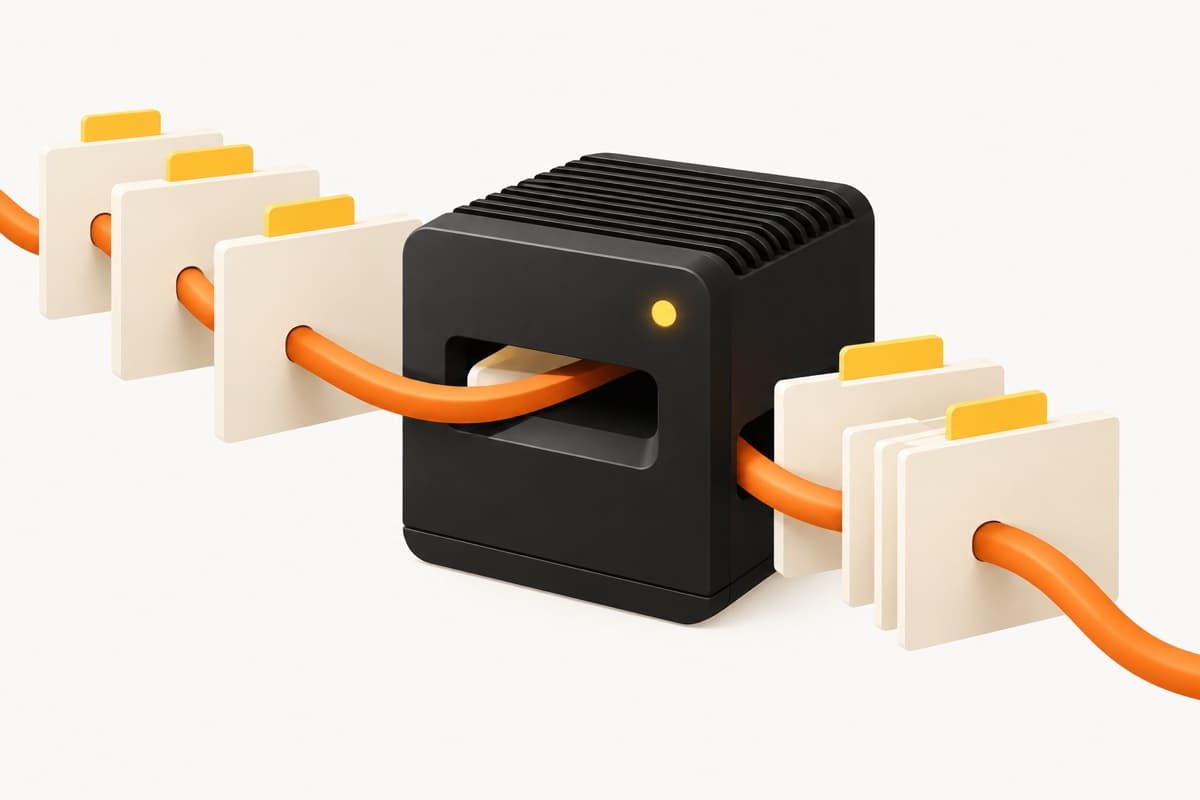
When switching AI assistants, “keep going” is useful only if the work's state is recorded. A long conversation does not automatically become project documentation. The next assistant needs to distinguish actual code, experiments and decisions still waiting.
A handoff should include the goal, changed files, verification results and the next step. For example: about-page layout updated; build passed; mobile not visually checked; not deployed. Those short statements are more useful than “everything is done”.
Separate three states: local changes, changes saved to the repository and the version serving users. New content on localhost does not mean the public website has updated. Record the revision when available and do not equate a commit with a deployment.
Divide responsibility into small boundaries. One assistant handling UI and another checking or deploying can work, but each must know who is editing which files. Inspect existing changes before overwriting; coordinate overlapping work instead of deleting code you do not understand.
Do not put passwords or tokens in handoff notes. Describe where configuration is managed and what access is required. Likewise, passing automated checks is not visual verification: distinguish what was viewed directly from what was checked only through code.
Try this template: “The goal is… Changed… Verified… Not verified… Do not touch… Next step…”. A good handoff does not retell the whole conversation. It helps the next assistant start in the right place and know when to stop and ask.